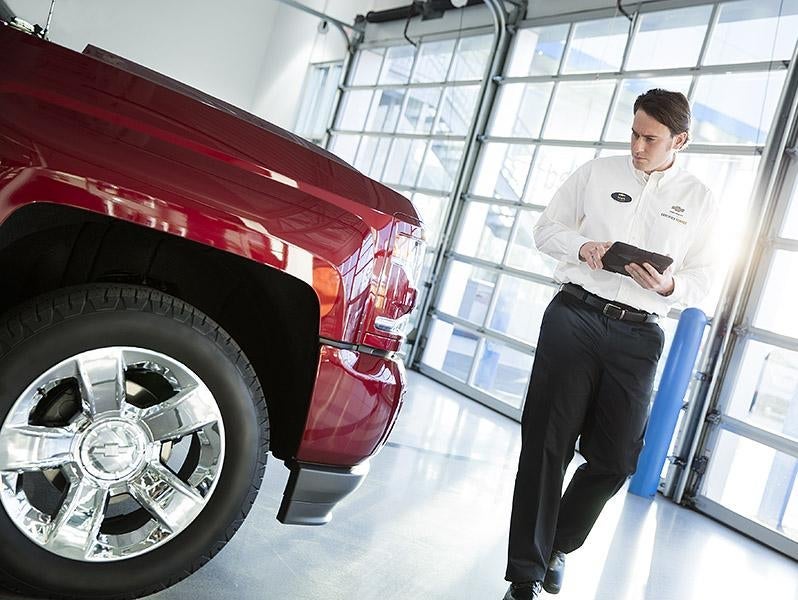





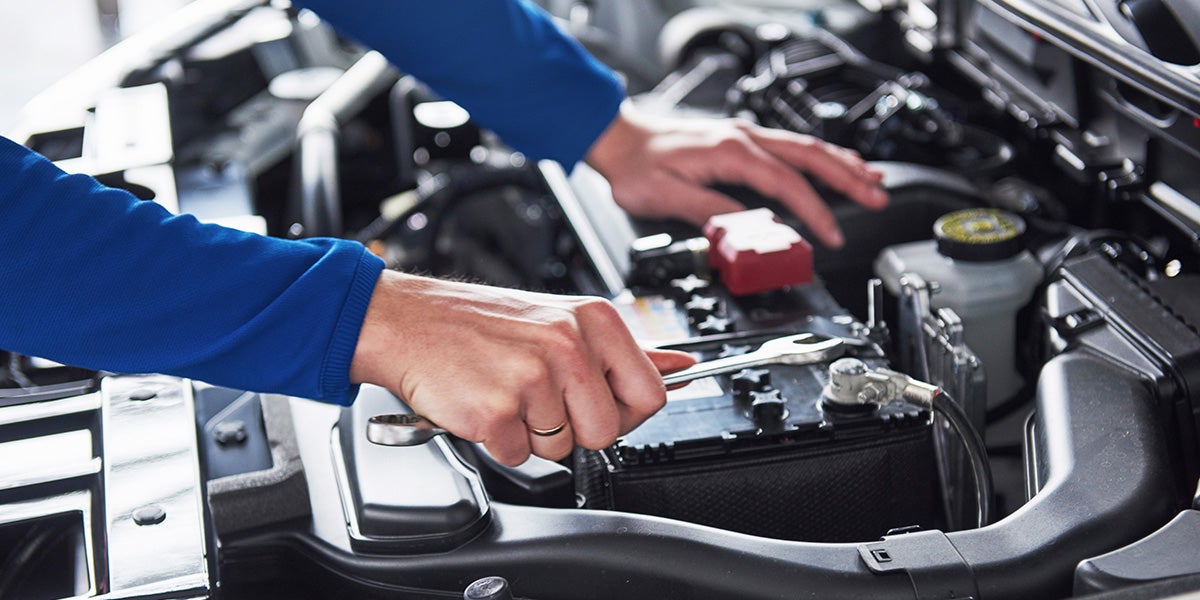
Autumn in Connecticut means cooler temperatures, wet roads, slick leaves, and the first frost is never far off. If you own a Chevrolet, now is the perfect time to run through a fall car maintenance checklist before winter conditions arrive. A little preparation today can save you from bigger headaches down the road. Check Your Battery and Charging System Cold weather is tough on automotive batteries. A battery that performs fine in summer can struggle to hold a charge once temperatures drop, and with summer heat already wearing it down, well…that battery might be feeling it. As part of your fall car maintenance checklist, have your battery tested to confirm it’s holding a proper charge. Check the terminals for corrosion and make sure connections are clean and secure. If your battery is 3 to 5 years old, it may be time to consider a replacement before you get stuck in the cold. Inspect Your Tires for Winter Readiness Wet leaves and icy pavement require tires with solid tread depth and proper inflation. Tire pressure drops roughly one pound per square inch for every 10° drop in outside temperature, so check your pressure regularly throughout the fall. Inspect the tread for uneven wear and consider whether all-season or winter tires are the right choice for your driving needs. Drivers throughout Terryville, CT, know that road conditions can change quickly, so being proactive with your tires matters. Test Your Brakes and Fluid Levels Fall is a great time to have your brakes inspected —summer driving can take a toll on them. Stop-and-go traffic, long trips, and towing all affect your brakes. If you’ve heard grinding or squealing, or the brake pedal feels spongy underfoot, it’s definitely time to have them looked at. Along with brakes, check all key fluid levels including engine coolant, brake fluid, power steering fluid, and windshield washer fluid. Switch to a winter-blend washer fluid to prevent freezing on your windshield during cold morning commutes. Replace Worn Wiper Blades and Check Your Lights Visibility is critical in fall and winter driving conditions. If your wiper blades are leaving streaks or missing spots on the glass, replace them before the rainy season is fully underway. Many drivers also opt for wiper blades specifically designed for winter use. Check all exterior lights as well, including headlights, brake lights, and turn signals, since shorter daylight hours mean you will be relying on them more heavily. Review Your Heating and Defrost Systems There is nothing worse than a heater that doesn’t work on a cold Connecticut morning. Test your heating system, defroster, and rear window defroster to confirm everything is functioning properly. If you notice any delays or weak airflow, having the system inspected before temperatures drop is a smart move. This is also a good time to check your cabin air filter, which affects airflow and overall interior air quality. Now that you’ll be driving with your windows up more, you want that cabin air healthy—and with a filter full of pollen, dust, and debris, that’s tough. Schedule Chevy Service in Terryville CT Working through a fall car maintenance checklist is easier when you have a trusted service team behind you. Scheduling service with Terryville Chevrolet means your Chevy gets the attention it deserves from Certified technicians who know Chevrolet vehicles inside and out. Visit us to book your fall service appointment and get your Chevy ready for whatever the Connecticut winter brings. Visit Us At Terryville Chevrolet A thorough fall car maintenance checklist is one of the best things you can do to protect your Chevrolet and stay safe through the colder months ahead. From your battery and tires to your brakes and heating system, each item on the list plays a real role in your confidence behind the wheel. Chevrolet owners in Terryville, CT, can count on knowledgeable local service to keep their vehicles running strong all season long. Stop by or schedule your appointment online today at Terryville Chevrolet.
Chevy Home EV Charging: A Guide for Connecticut Drivers
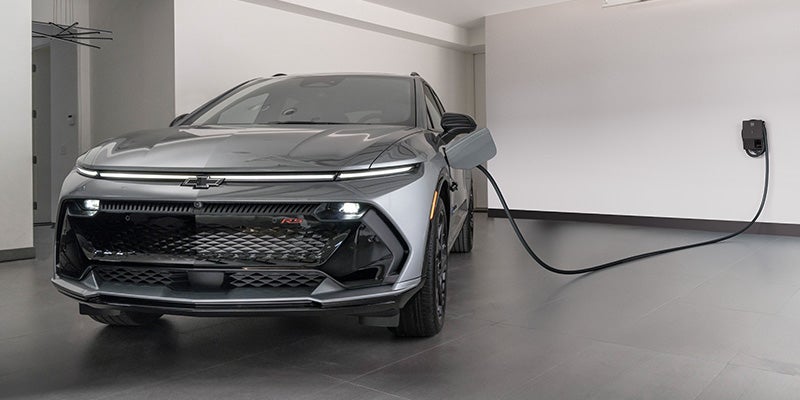
If you recently bought a Chevrolet EV or you're thinking about making the switch, you’ll need to know how you’re going to charge it at home. Chevy home EV charging is simpler than many people expect, and knowing your options upfront can help you make a confident decision. If you're in Terryville, CT or anywhere across Connecticut, this guide breaks it all down. Understanding Your Two Main Chevy Home EV Charging Options When it comes to charging a Chevrolet EV at home, you essentially have two paths to choose from: Level 1 and Level 2 charging. Each option serves different lifestyles and driving habits, so it's worth understanding the differences between the two before committing to a setup. What Is Level 1 Charging? Level 1 charging uses a standard 120-volt household outlet - the same type you'd use to plug in a lamp or phone charger. The biggest advantage is convenience: no extra equipment is needed beyond the charge cord that typically comes with your vehicle. However, Level 1 charging is slow, adding only a few miles of range per hour. If you only typically drive short distances, this may be enough. But for most Chevy EV owners who rely on their vehicle for regular commuting and errands, Level 1 works best as a backup solution rather than a primary method. What Is Level 2 Charging? Level 2 charging operates on a 240-volt circuit - similar to what powers a dryer or electric range - and delivers significantly faster charging speeds. Depending on the model, a Level 2 charger can add dozens of miles of range per hour, meaning your Chevrolet EV could be easily fully charged overnight. This is the setup most Chevy EV owners prefer for daily home use. GM offers home charger options, including the GM PowerUp 2 J1772 Charger and the GM Energy PowerShift Charger, designed to work seamlessly with Chevrolet EVs. Chevrolet EV Charger Installation: What to Expect The Chevrolet EV charger installation process for a Level 2 setup requires a licensed electrician to install a dedicated 240-volt circuit and a compatible outlet or hardwired unit. The process is simple for most homes, though older electrical panels may require an upgrade. It's a good idea to get a quote from a qualified installer before purchasing your EV so you can budget accordingly. GM works with independent third-party installers to help make the process as smooth as possible. Choosing the Right Charger for Your Chevrolet EV The right charger depends on your vehicle and how you use it. The Chevy Bolt, Equinox EV, Blazer EV, and Silverado EV all support Level 2 charging, so any of these models will benefit greatly from a home Level 2 setup. When comparing charger options, consider the amperage output, cable length, and whether you want a smart charger with scheduling features. Installation of a higher-output unit - such as one requiring a 60-amp breaker - will give you the fastest possible home charging speeds. Visit Terryville Chevrolet to Learn More Getting started with Chevy home EV charging doesn't have to feel overwhelming. The team at Terryville Chevrolet is here to help you explore the full Chevrolet EV lineup and answer questions about charging at home. No matter if you're eyeing the Equinox EV, the Blazer EV, or another model, stop by or visit us online to find the right fit for your lifestyle and take the next step toward electrified driving.