



Blog / Terryville Chevrolet Dealer

Chevy Silverado 2500 HD vs. 3500 HD: Start with the Load


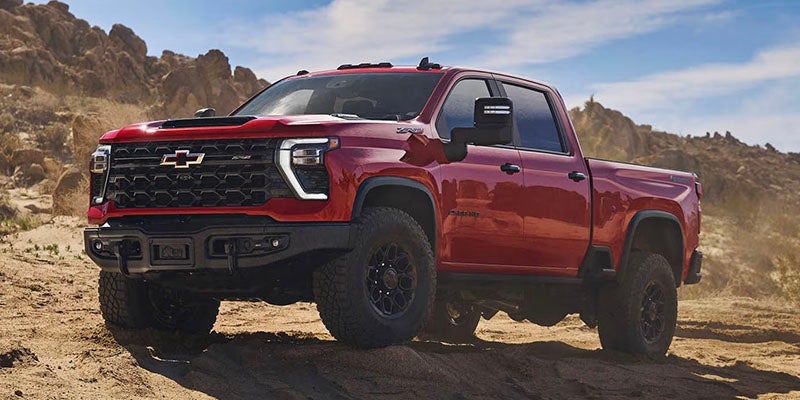
Chevrolet Silverado 2500HD

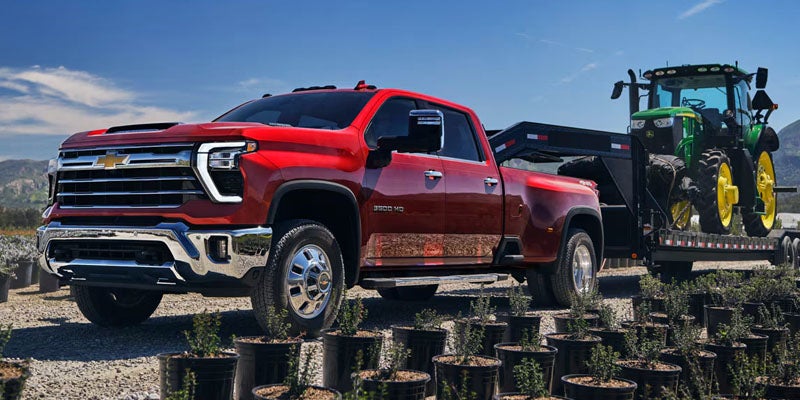
Chevrolet Silverado 3500HD

Heavy-duty trucks are tools, and buying the right one starts with the work. The Chevy Silverado 2500 HD and 3500 HD share engines, transmissions, cab choices, and plenty of technology, but that doesn’t make them interchangeable. The 3500 HD exists because some loads simply demand more truck. For drivers around Terryville, Connecticut, the Silverado 2500 HD versus 3500 HD decision should begin with the heaviest trailer and payload you regularly expect to handle. Once you know those numbers, the choice gets much easier. 

The 2500 HD Is Already a Serious Work Truck 

The 2026 Silverado 2500 HD offers two engines. The 6.6L V8 gas engine produces 401 hp and 464 lbs. ft. of torque. The available 6.6L Duramax® Turbo-Diesel V8 increases output to 470 hp and 975 lbs. ft. of torque. Both engines are paired with a 10-speed Allison® automatic transmission. That gives contractors, landscapers, equipment operators, and other commercial users plenty of flexibility before moving into a 3500 HD. The key is configuring the truck around the work instead of assuming every 2500 HD has the same capabilities. Regular Cab models come with a Long Bed. Double Cab and Crew Cab trucks can be configured with a Standard Bed or Long Bed, giving buyers several ways to balance passenger room, cargo space, and overall truck length. 

The 3500 HD Is Built for the Bigger Numbers 

Move to the 2026 Silverado 3500 HD and the job description changes. Properly configured with the available 6.6L Duramax® Turbo-Diesel V8, maximum towing capacity reaches 36,000 lbs. That’s capability intended for substantial trailers and demanding commercial work. One of the most important differences is the availability of dual rear wheels. The 3500 HD can be configured as an SRW or DRW truck, depending on the build. A DRW configuration puts another tire on each side of the rear axle. That isn’t there for appearance. These configurations are designed to support the 3500 HD’s higher towing and hauling requirements. If your work regularly pushes into territory where payload and trailer weight are the deciding factors, the 3500 HD gives you configurations the 2500 HD simply doesn’t offer. 

Cab and Bed Choices Deserve Some Thought 

Both Silverado HD models are offered as Regular Cab, Double Cab, and Crew Cab trucks. Regular Cab means Long Bed. Double Cab and Crew Cab configurations can be paired with Standard Bed or Long Bed setups. It’s worth thinking beyond passenger count here. A Crew Cab gives you more interior space, but a longer cab and bed can also change overall dimensions and maneuverability. A truck spending its life on open jobsites has different packaging requirements from one regularly squeezing into residential properties around Terryville. The best configuration is the one that carries what you need without making every other part of the workday harder. 

Trailering Technology Can Make the Capability Easier to Use 

A big tow rating is useful. Being able to see what’s happening around the trailer is useful, too. Available Silverado HD trailering technology includes an In-Vehicle Trailering App and up to 14 camera views using 8 available cameras. Depending on trim and equipment, buyers can also add features including a 13.4-inch diagonal touchscreen and heated seating. That range matters for work trucks. A Silverado HD can be configured as a straightforward commercial tool or equipped for someone who spends long hours traveling between jobsites. 

Don’t Buy a 3500 HD Just Because It’s Bigger 

The right heavy-duty truck isn’t automatically the one with the highest number on the tailgate. Start with trailer weight, payload, passengers, and cargo. Then match those requirements to the engine, drivetrain, cab, bed, and equipment. Visit Terryville Chevrolet to compare Silverado 2500 HD and 3500 HD configurations and explore available heavy-duty truck inventory. Once you’ve narrowed down the right setup for your workload, schedule a test drive online and see how the truck handles from the driver’s seat.

Posted in:

Related Posts

Collision

Chevy Collision Repair After an Accident Guide

Getting into an accident is stressful, even when everyone walks away safely. Once the initial shock settles, your focus will quickly shift to getting your vehicle repaired correctly. If you drive a Chevrolet in Terryville, Connecticut, understanding the process for Chevy collision repair after an accident is the first step in saving yourself time, money, and unnecessary headaches. We’re here to walk you through it. Prioritize Safety at the Scene Before anything else, make sure everyone involved is safe. If your vehicle is drivable, move it to the shoulder or a nearby parking lot to avoid blocking traffic. Turn on your hazard lights, and if it is safe to do so, set up road flares or warning triangles. Call 911 if anyone is injured, if your vehicle can’t be moved out of traffic, or if major damage has occurred. Injury may not be obvious, so if there’s any question, or someone is behaving oddly, it never hurts to call for help. Even in minor accidents, filing a police report is a good idea. This creates an official record that can be valuable when working with your insurance company later. Document the scene thoroughly with photos and exchange contact and insurance information with the other driver. Notify Your Insurance Company Contact your insurance provider as soon as possible after the accident. Most insurers require prompt notification, and delays can sometimes complicate the claims process. Be straightforward about what happened and provide the documentation you gathered at the scene. Your insurer will typically assign a claims adjuster to assess the damage. They may recommend a repair facility, but in most cases you have the right to choose your own shop. Keep this in mind when the time comes to select a Chevrolet body shop in Terryville, Connecticut, that you trust. Understand the Repair Estimate Process Once your claim is filed, your vehicle will need a damage assessment. A qualified technician will inspect both visible and underlying damage, since structural issues aren’t always obvious to the naked eye. It’s worth noting that your own physical injuries may take a day or two to show up, just like residual damage. Ask your repair shop whether they’re familiar with Chevrolet vehicles specifically. Chevy models have unique components, tolerances, and body structures, and technicians who work on them regularly will be better equipped to restore your vehicle properly. Using OEM (original equipment manufacturer) parts when available helps ensure your Chevy is repaired to its original specifications. Chevy Collision Repair After an Accident: What to Expect Once repairs begin, the timeline will depend on the extent of the damage. Minor collision repair on a Chevy might take just a few days, while more significant structural damage can take longer. A reputable shop will keep you updated throughout the process and communicate any changes in scope or cost. Ask about the warranty on repair work before signing off on anything. Quality shops stand behind their work, and you should feel confident that the repairs are covered if issues surface later. A trusted Chevrolet body shop in Terryville, CT will walk you through every detail before and after the job is done. Get Back on the Road With Confidence Dealing with Chevy collision repair after an accident is never fun, but knowing what steps to take makes the process much smoother. From handling the scene safely to working with your insurer and choosing a knowledgeable repair shop, each step matters. Drivers in Terryville, CT can visit Terryville Chevrolet at terryvillechevy.com to learn more about getting your Chevy back to its best after a collision. The right team makes all the difference.

Your Chevrolet Maintenance Schedule: What Every Chevy Owner Should Know

Staying on top of your Chevrolet maintenance schedule protects your vehicle and prevents unexpected repair bills. If you drive a Silverado, Equinox, or Traverse, routine service keeps your Chevy running properly. Skipping maintenance often turns small issues into costly problems. Drivers seeking expert care can rely on Terryville Chevy in Terryville, CT. Contact us today to learn more about keeping your vehicle in peak condition. more Oil Changes and Fluid Checks Regular oil changes remain a crucial part of your Chevrolet maintenance schedule. Modern Chevy vehicles feature an oil life monitoring system that alerts you when to schedule a change based on actual driving conditions, replacing rigid mileage intervals. Mechanics should also check coolant, brake fluid, power steering fluid, and windshield washer fluid. Maintaining fresh fluid levels ensures proper vehicle operation. Tire Rotation and Brake Inspection Tires and brakes serve as critical safety components. Chevrolet recommends regular tire rotations to promote even wear and extend tire lifespan. Rotating tires during every oil change establishes a healthy maintenance habit. Technicians must also inspect brakes during routine service visits. Worn brake pads reduce stopping power and cause severe rotor damage if ignored. Air Filter Replacement and Battery Service Engine air filters prevent dirt and debris from entering the engine. Replacing clogged filters at recommended intervals maintains engine performance and fuel efficiency. Drivers frequently overlook battery service. Extreme hot and cold temperatures shorten battery life, making periodic testing a smart habit. Caring for Chevrolet vehicles means staying ahead of these smaller maintenance items. Scheduled Inspections and Multi-Point Checks Your Chevrolet maintenance schedule includes comprehensive multi-point inspections at specific mileage milestones. Technicians evaluate belts, hoses, suspension components, and lighting. Catching worn parts early prevents breakdowns and keeps your vehicle safe on the road. Chevrolet Certified Service technicians receive specialized training and use genuine parts to protect your investment. Visit Us in Terryville, CT for Your Next Service Appointment Terryville Chevy offers a trusted destination to keep your vehicle in top shape. Drivers in Terryville, CT can easily access our expert automotive care. Staying consistent with your Chevrolet maintenance schedule represents the best investment in the long-term health of your vehicle. Schedule your next service appointment directly through our online portal to get started today.

2026 Corvette Stingray vs. Corvette Z06

2026 Corvette Stingray vs. Corvette Z06: Which One Is Right for You? When it comes to the 2026 Corvette Stingray vs. Corvette Z06, both cars share the same iconic mid-engine platform and stunning proportions — but they are designed with different drivers in mind. The Stingray delivers an exhilarating, accessible sports car experience, while the Z06 pushes the boundaries of what a production Corvette can do on the road or track. If you're trying to decide between the two, understanding the key differences in performance, handling, and driving character is the best place to start. more Performance: Power and Acceleration The 2026 Corvette Stingray vs. Corvette Z06 comparison begins under the hood. The Stingray is powered by a naturally aspirated 6.2L V-8 engine producing 490 hp and 470 lb-ft of torque in its standard configuration, with the optional Z51 Performance Package pushing output to 495 hp. The Z06, on the other hand, takes things to a different level entirely. It has a 5.5L flat-plane crank V-8 engine — a design borrowed directly from racing — that produces 670 hp and 460 lb-ft of torque. The Z06 revs freely and aggressively, delivering acceleration that goes from 0-60 mph in just 2.6 seconds. Handling and Chassis Dynamics When thinking about the 2026 Corvette Stingray vs. Corvette Z06, handling is just as important as straight-line speed. The Stingray offers a well-tuned suspension that balances comfort and sport performance, making it a car you can genuinely enjoy on a daily basis. It includes Magnetic Ride Control as an option, which automatically adjusts damping based on road conditions. The Z06 has wider front and rear tracks, a stiffer suspension setup, and carbon fiber aerodynamic components designed to generate downforce. The available Z07 Performance Package adds carbon ceramic brakes and sticky performance tires that transform the Z06 into a track-capable machine without sacrificing street drivability. For drivers in Terryville, CT, who want a car that truly rewards aggressive cornering, the Z06 makes a compelling case. Interior and Technology Both cars share a driver-focused cockpit with a standard 12-in touchscreen and an available 8-in digital instrument cluster. The interior quality, available GT2 performance seats, and sport-tuned ergonomics are standard fare across the lineup. The Z06, depending on trim level, can be configured with more aggressive carbon fiber interior accents and additional performance displays matching its track-oriented character. Whether you choose the Stingray or Z06, both deliver a cabin that keeps the driver informed and connected without feeling overwhelming. Which Corvette Should You Choose? In the 2026 Corvette Stingray vs. Corvette Z06 debate, the right choice comes down to how you plan to use the car. If you want a world-class sports car that's equally comfortable on a Saturday morning drive and a back-road sprint, the Stingray delivers incredible performance with more everyday usability. If you want maximum track performance, a race-derived engine note, and the most aggressive Corvette dynamics short of the ZR1, the Z06 is your car. Visit Terryville Chevrolet to Experience Both The best way to settle the 2026 Corvette Stingray vs. Corvette Z06 debate is to experience both in person. Stop by Terryville Chevrolet, serving drivers throughout Terryville, CT, to explore available inventory, talk through the available packages, and get behind the wheel of one of the most exciting sports cars on the market today. Our team is ready to help you find the Corvette that fits your driving style and budget.