





Blog / Terryville Chevrolet Dealer

2026 Corvette Stingray vs. Corvette Z06

2026 Corvette Stingray vs. Corvette Z06: Which One Is Right for You? 

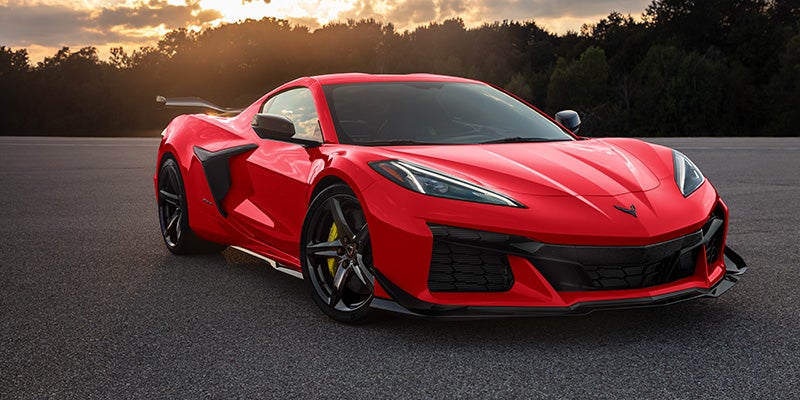
When it comes to the 2026 Corvette Stingray vs. Corvette Z06, both cars share the same iconic mid-engine platform and stunning proportions — but they are designed with different drivers in mind. The Stingray delivers an exhilarating, accessible sports car experience, while the Z06 pushes the boundaries of what a production Corvette can do on the road or track. If you're trying to decide between the two, understanding the key differences in performance, handling, and driving character is the best place to start. 

Performance: Power and Acceleration 

The 2026 Corvette Stingray vs. Corvette Z06 comparison begins under the hood. The Stingray is powered by a naturally aspirated 6.2L V-8 engine producing 490 hp and 470 lb-ft of torque in its standard configuration, with the optional Z51 Performance Package pushing output to 495 hp.  

The Z06, on the other hand, takes things to a different level entirely. It has a 5.5L flat-plane crank V-8 engine — a design borrowed directly from racing — that produces 670 hp and 460 lb-ft of torque. The Z06 revs freely and aggressively, delivering acceleration that goes from 0-60 mph in just 2.6 seconds. 

Handling and Chassis Dynamics 

When thinking about the 2026 Corvette Stingray vs. Corvette Z06, handling is just as important as straight-line speed. The Stingray offers a well-tuned suspension that balances comfort and sport performance, making it a car you can genuinely enjoy on a daily basis. It includes Magnetic Ride Control as an option, which automatically adjusts damping based on road conditions. 

The Z06 has wider front and rear tracks, a stiffer suspension setup, and carbon fiber aerodynamic components designed to generate downforce. The available Z07 Performance Package adds carbon ceramic brakes and sticky performance tires that transform the Z06 into a track-capable machine without sacrificing street drivability. For drivers in Terryville, CT, who want a car that truly rewards aggressive cornering, the Z06 makes a compelling case. 

Interior and Technology 

Both cars share a driver-focused cockpit with a standard 12-in touchscreen and an available 8-in digital instrument cluster. The interior quality, available GT2 performance seats, and sport-tuned ergonomics are standard fare across the lineup. 

The Z06, depending on trim level, can be configured with more aggressive carbon fiber interior accents and additional performance displays matching its track-oriented character. Whether you choose the Stingray or Z06, both deliver a cabin that keeps the driver informed and connected without feeling overwhelming. 

Which Corvette Should You Choose? 

In the 2026 Corvette Stingray vs. Corvette Z06 debate, the right choice comes down to how you plan to use the car. If you want a world-class sports car that's equally comfortable on a Saturday morning drive and a back-road sprint, the Stingray delivers incredible performance with more everyday usability. If you want maximum track performance, a race-derived engine note, and the most aggressive Corvette dynamics short of the ZR1, the Z06 is your car. 

Visit Terryville Chevrolet to Experience Both 

The best way to settle the 2026 Corvette Stingray vs. Corvette Z06 debate is to experience both in person. Stop by Terryville Chevrolet, serving drivers throughout Terryville, CT, to explore available inventory, talk through the available packages, and get behind the wheel of one of the most exciting sports cars on the market today. Our team is ready to help you find the Corvette that fits your driving style and budget. 
Posted in:

Related Posts

Chevrolet Maintenance Checklist

Fall Chevrolet Maintenance Checklist for Terryville, CT Drivers

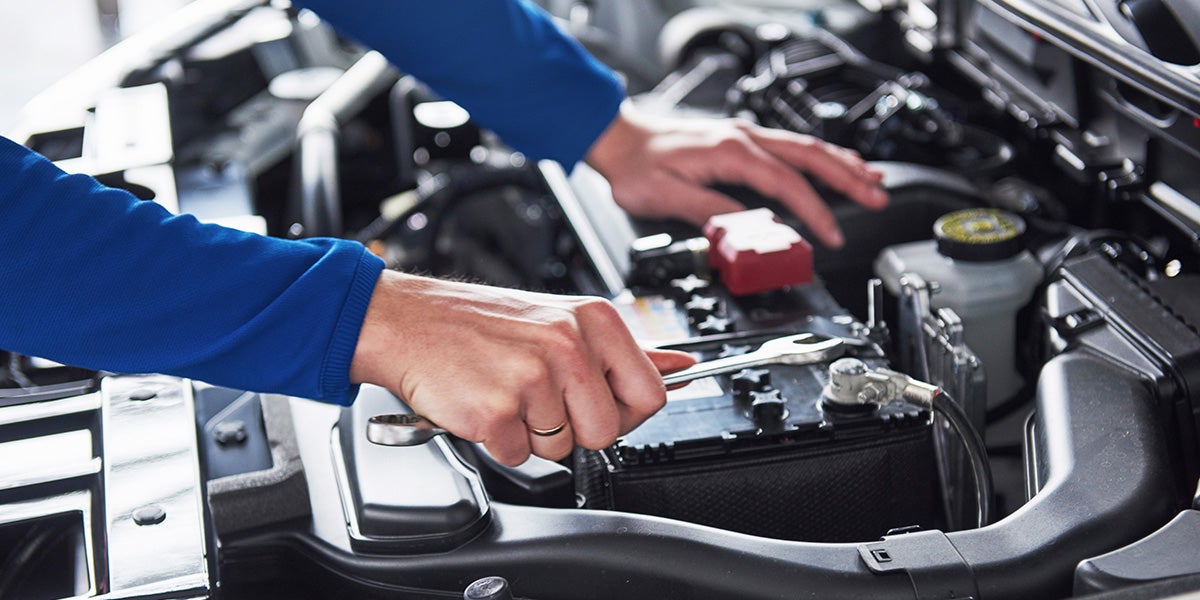
Autumn in Connecticut means cooler temperatures, wet roads, slick leaves, and the first frost is never far off. If you own a Chevrolet, now is the perfect time to run through a fall car maintenance checklist before winter conditions arrive. A little preparation today can save you from bigger headaches down the road. Check Your Battery and Charging System Cold weather is tough on automotive batteries. A battery that performs fine in summer can struggle to hold a charge once temperatures drop, and with summer heat already wearing it down, well…that battery might be feeling it. As part of your fall car maintenance checklist, have your battery tested to confirm it’s holding a proper charge. Check the terminals for corrosion and make sure connections are clean and secure. If your battery is 3 to 5 years old, it may be time to consider a replacement before you get stuck in the cold. Inspect Your Tires for Winter Readiness Wet leaves and icy pavement require tires with solid tread depth and proper inflation. Tire pressure drops roughly one pound per square inch for every 10° drop in outside temperature, so check your pressure regularly throughout the fall. Inspect the tread for uneven wear and consider whether all-season or winter tires are the right choice for your driving needs. Drivers throughout Terryville, CT, know that road conditions can change quickly, so being proactive with your tires matters. Test Your Brakes and Fluid Levels Fall is a great time to have your brakes inspected —summer driving can take a toll on them. Stop-and-go traffic, long trips, and towing all affect your brakes. If you’ve heard grinding or squealing, or the brake pedal feels spongy underfoot, it’s definitely time to have them looked at. Along with brakes, check all key fluid levels including engine coolant, brake fluid, power steering fluid, and windshield washer fluid. Switch to a winter-blend washer fluid to prevent freezing on your windshield during cold morning commutes. Replace Worn Wiper Blades and Check Your Lights Visibility is critical in fall and winter driving conditions. If your wiper blades are leaving streaks or missing spots on the glass, replace them before the rainy season is fully underway. Many drivers also opt for wiper blades specifically designed for winter use. Check all exterior lights as well, including headlights, brake lights, and turn signals, since shorter daylight hours mean you will be relying on them more heavily. Review Your Heating and Defrost Systems There is nothing worse than a heater that doesn’t work on a cold Connecticut morning. Test your heating system, defroster, and rear window defroster to confirm everything is functioning properly. If you notice any delays or weak airflow, having the system inspected before temperatures drop is a smart move. This is also a good time to check your cabin air filter, which affects airflow and overall interior air quality. Now that you’ll be driving with your windows up more, you want that cabin air healthy—and with a filter full of pollen, dust, and debris, that’s tough. Schedule Chevy Service in Terryville CT Working through a fall car maintenance checklist is easier when you have a trusted service team behind you. Scheduling service with Terryville Chevrolet means your Chevy gets the attention it deserves from Certified technicians who know Chevrolet vehicles inside and out. Visit us to book your fall service appointment and get your Chevy ready for whatever the Connecticut winter brings. Visit Us At Terryville Chevrolet A thorough fall car maintenance checklist is one of the best things you can do to protect your Chevrolet and stay safe through the colder months ahead. From your battery and tires to your brakes and heating system, each item on the list plays a real role in your confidence behind the wheel. Chevrolet owners in Terryville, CT, can count on knowledgeable local service to keep their vehicles running strong all season long. Stop by or schedule your appointment online today at Terryville Chevrolet.

Chevy Home EV Charging

Chevy Home EV Charging: A Guide for Connecticut Drivers

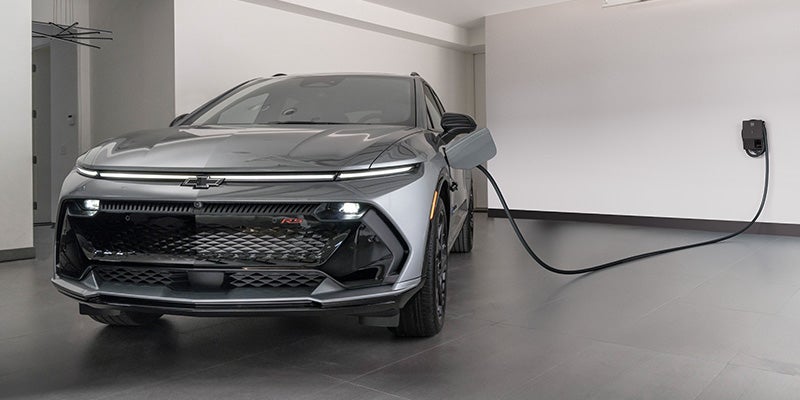
If you recently bought a Chevrolet EV or you're thinking about making the switch, you’ll need to know how you’re going to charge it at home. Chevy home EV charging is simpler than many people expect, and knowing your options upfront can help you make a confident decision. If you're in Terryville, CT or anywhere across Connecticut, this guide breaks it all down. Understanding Your Two Main Chevy Home EV Charging Options When it comes to charging a Chevrolet EV at home, you essentially have two paths to choose from: Level 1 and Level 2 charging. Each option serves different lifestyles and driving habits, so it's worth understanding the differences between the two before committing to a setup. What Is Level 1 Charging? Level 1 charging uses a standard 120-volt household outlet - the same type you'd use to plug in a lamp or phone charger. The biggest advantage is convenience: no extra equipment is needed beyond the charge cord that typically comes with your vehicle. However, Level 1 charging is slow, adding only a few miles of range per hour. If you only typically drive short distances, this may be enough. But for most Chevy EV owners who rely on their vehicle for regular commuting and errands, Level 1 works best as a backup solution rather than a primary method. What Is Level 2 Charging? Level 2 charging operates on a 240-volt circuit - similar to what powers a dryer or electric range - and delivers significantly faster charging speeds. Depending on the model, a Level 2 charger can add dozens of miles of range per hour, meaning your Chevrolet EV could be easily fully charged overnight. This is the setup most Chevy EV owners prefer for daily home use. GM offers home charger options, including the GM PowerUp 2 J1772 Charger and the GM Energy PowerShift Charger, designed to work seamlessly with Chevrolet EVs. Chevrolet EV Charger Installation: What to Expect The Chevrolet EV charger installation process for a Level 2 setup requires a licensed electrician to install a dedicated 240-volt circuit and a compatible outlet or hardwired unit. The process is simple for most homes, though older electrical panels may require an upgrade. It's a good idea to get a quote from a qualified installer before purchasing your EV so you can budget accordingly. GM works with independent third-party installers to help make the process as smooth as possible. Choosing the Right Charger for Your Chevrolet EV The right charger depends on your vehicle and how you use it. The Chevy Bolt, Equinox EV, Blazer EV, and Silverado EV all support Level 2 charging, so any of these models will benefit greatly from a home Level 2 setup. When comparing charger options, consider the amperage output, cable length, and whether you want a smart charger with scheduling features. Installation of a higher-output unit - such as one requiring a 60-amp breaker - will give you the fastest possible home charging speeds. Visit Terryville Chevrolet to Learn More Getting started with Chevy home EV charging doesn't have to feel overwhelming. The team at Terryville Chevrolet is here to help you explore the full Chevrolet EV lineup and answer questions about charging at home. No matter if you're eyeing the Equinox EV, the Blazer EV, or another model, stop by or visit us online to find the right fit for your lifestyle and take the next step toward electrified driving.

Chevy Silverado 2500 HD vs. 3500 HD: Start with the Load

Heavy-duty trucks are tools, and buying the right one starts with the work. The Chevy Silverado 2500 HD and 3500 HD share engines, transmissions, cab choices, and plenty of technology, but that doesn’t make them interchangeable. The 3500 HD exists because some loads simply demand more truck. For drivers around Terryville, Connecticut, the Silverado 2500 HD versus 3500 HD decision should begin with the heaviest trailer and payload you regularly expect to handle. Once you know those numbers, the choice gets much easier. The 2500 HD Is Already a Serious Work Truck The 2026 Silverado 2500 HD offers two engines. The 6.6L V8 gas engine produces 401 hp and 464 lbs. ft. of torque. The available 6.6L Duramax® Turbo-Diesel V8 increases output to 470 hp and 975 lbs. ft. of torque. Both engines are paired with a 10-speed Allison® automatic transmission. That gives contractors, landscapers, equipment operators, and other commercial users plenty of flexibility before moving into a 3500 HD. The key is configuring the truck around the work instead of assuming every 2500 HD has the same capabilities. Regular Cab models come with a Long Bed. Double Cab and Crew Cab trucks can be configured with a Standard Bed or Long Bed, giving buyers several ways to balance passenger room, cargo space, and overall truck length. The 3500 HD Is Built for the Bigger Numbers Move to the 2026 Silverado 3500 HD and the job description changes. Properly configured with the available 6.6L Duramax® Turbo-Diesel V8, maximum towing capacity reaches 36,000 lbs. That’s capability intended for substantial trailers and demanding commercial work. One of the most important differences is the availability of dual rear wheels. The 3500 HD can be configured as an SRW or DRW truck, depending on the build. A DRW configuration puts another tire on each side of the rear axle. That isn’t there for appearance. These configurations are designed to support the 3500 HD’s higher towing and hauling requirements. If your work regularly pushes into territory where payload and trailer weight are the deciding factors, the 3500 HD gives you configurations the 2500 HD simply doesn’t offer. Cab and Bed Choices Deserve Some Thought Both Silverado HD models are offered as Regular Cab, Double Cab, and Crew Cab trucks. Regular Cab means Long Bed. Double Cab and Crew Cab configurations can be paired with Standard Bed or Long Bed setups. It’s worth thinking beyond passenger count here. A Crew Cab gives you more interior space, but a longer cab and bed can also change overall dimensions and maneuverability. A truck spending its life on open jobsites has different packaging requirements from one regularly squeezing into residential properties around Terryville. The best configuration is the one that carries what you need without making every other part of the workday harder. Trailering Technology Can Make the Capability Easier to Use A big tow rating is useful. Being able to see what’s happening around the trailer is useful, too. Available Silverado HD trailering technology includes an In-Vehicle Trailering App and up to 14 camera views using 8 available cameras. Depending on trim and equipment, buyers can also add features including a 13.4-inch diagonal touchscreen and heated seating. That range matters for work trucks. A Silverado HD can be configured as a straightforward commercial tool or equipped for someone who spends long hours traveling between jobsites. Don’t Buy a 3500 HD Just Because It’s Bigger The right heavy-duty truck isn’t automatically the one with the highest number on the tailgate. Start with trailer weight, payload, passengers, and cargo. Then match those requirements to the engine, drivetrain, cab, bed, and equipment. Visit Terryville Chevrolet to compare Silverado 2500 HD and 3500 HD configurations and explore available heavy-duty truck inventory. Once you’ve narrowed down the right setup for your workload, schedule a test drive online and see how the truck handles from the driver’s seat.